

POLVOLT Project
Building Europe’s Future Through Urban Mining
A strategic investment transforming waste into critical resources for the green and digital transition.
Project Overview
Transforming Waste into Strategic Resources
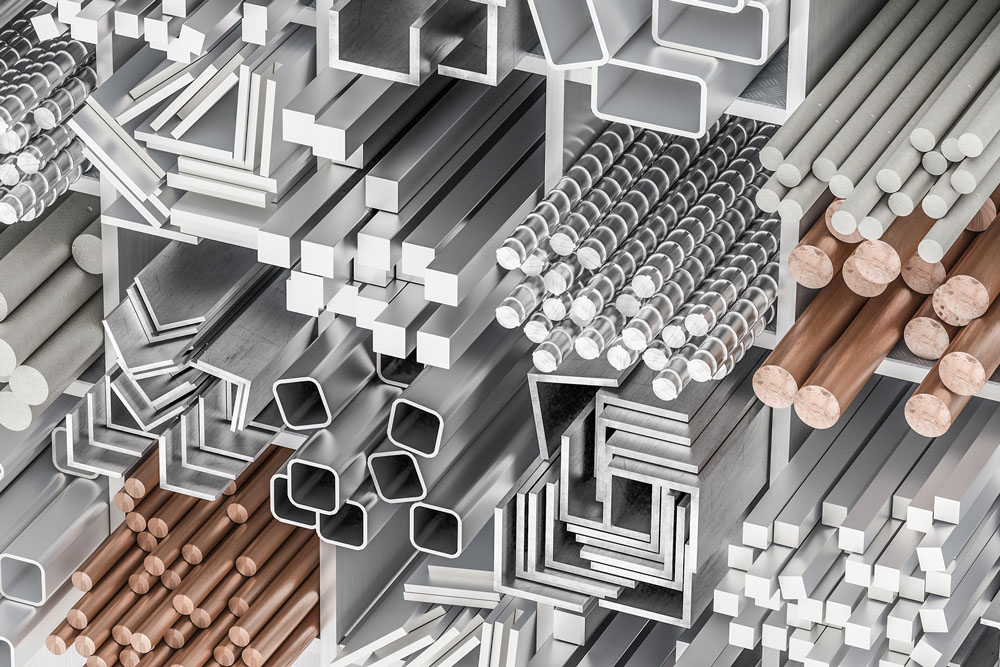
Modern economies depend on metals. From electric vehicles and renewable energy systems to consumer electronics and industrial infrastructure, critical raw materials are the foundation of modern life.
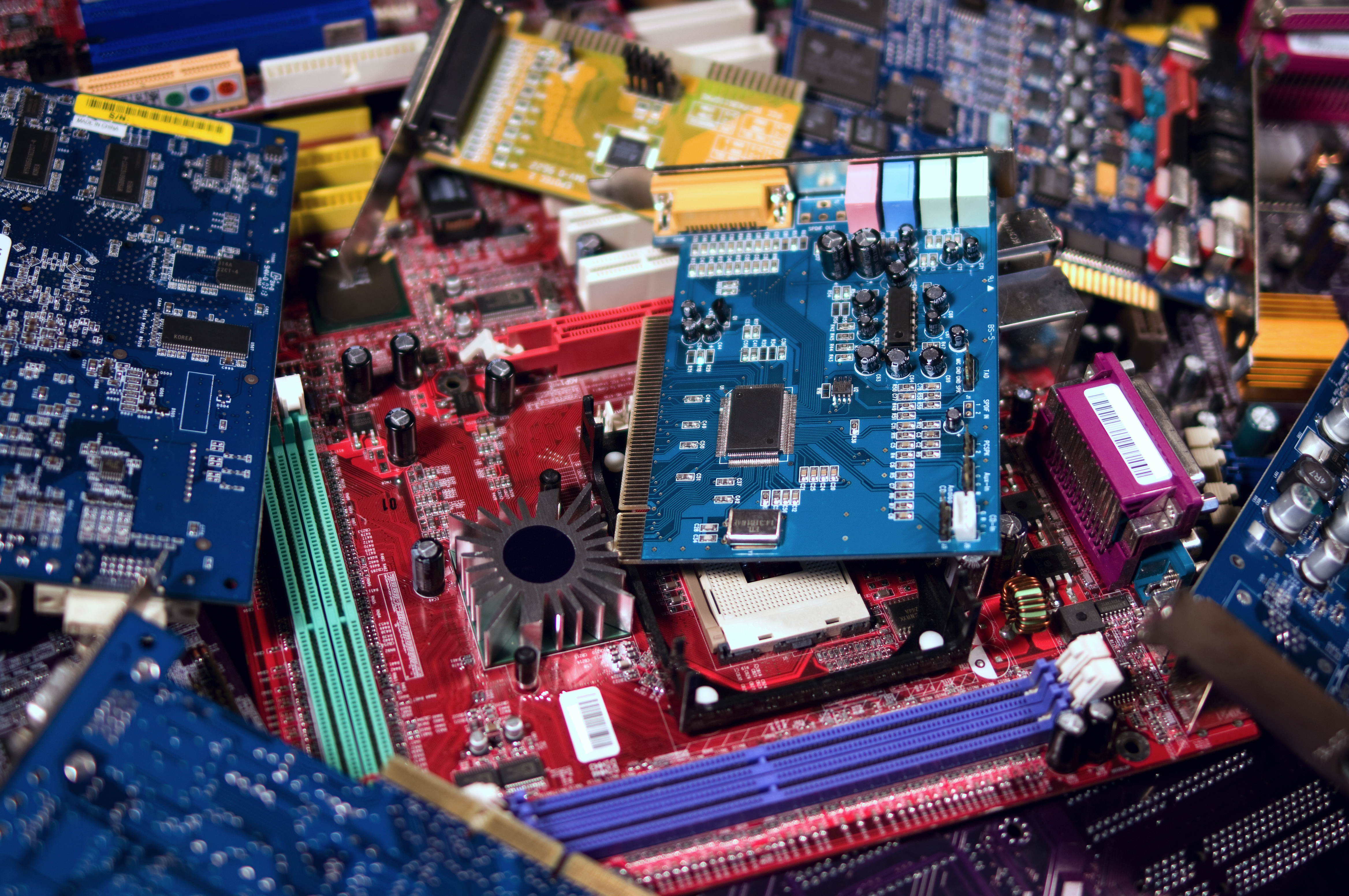
At the same time, millions of tonnes of valuable materials remain locked within end-of-life batteries and electronic equipment.
POLVOLT was created to unlock this potential — recovering strategic materials already present within society and returning them to productive use.
What is POLVOLT?
A Strategic Project for Europe’s Green Transition
POLVOLT is one of Europe’s most ambitious urban mining projects, designed to recover critical and strategic raw materials from end-of-life batteries and electronic waste.
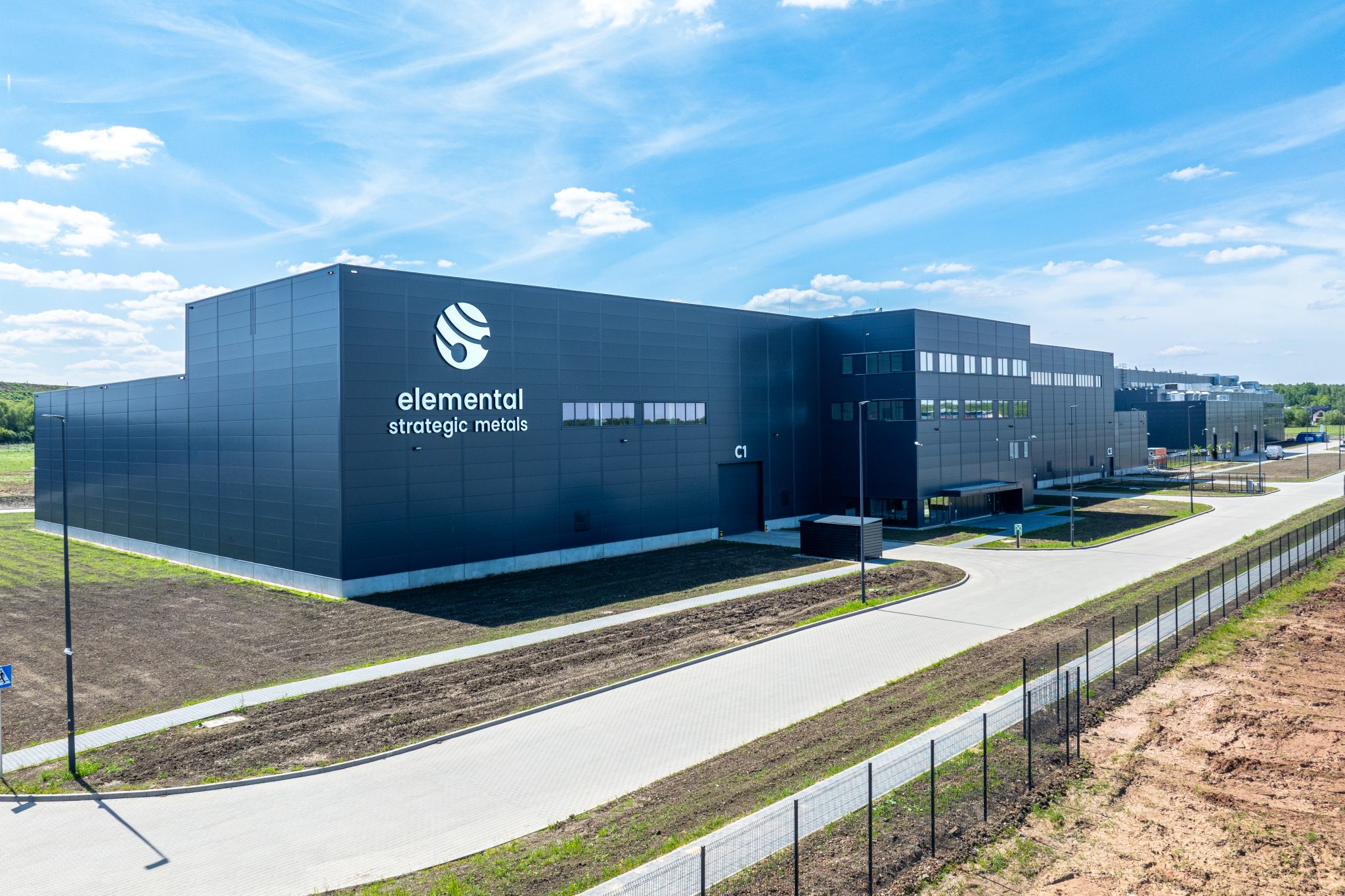
Located in Zawiercie, Poland, the facility will integrate advanced pyrometallurgical and hydrometallurgical technologies to produce battery metals, precious metals and base metals required by modern industry.
The project directly supports the objectives of the Critical Raw Materials Act (CRMA) and the Net-Zero Industry Act, strengthening Europe’s supply security and reducing dependence on imported resources.
Project Pillars
Three Integrated Systems.
One Circular Future.
Copper Smelter & Refinery
Production of copper, precious metals and strategic raw materials recovered from electronic waste and secondary feedstocks.
Black Mass Processing
Recovery of lithium, nickel, cobalt and manganese from end-of-life lithium-ion batteries.
Renewable Energy Supply System
Dedicated renewable energy infrastructure supporting low-carbon industrial operations and reducing environmental impact.
Project Partners
Developed by industry leaders
Elemental Battery Metals Sp. z o.o.
Responsible for the development and implementation of POLVOLT. Specialises in advanced battery recycling technologies and strategic metals recovery.
Elemental Holding S.A.
A global leader in urban mining and strategic metals recovery. Operates internationally, developing solutions to secure sustainable supplies of critical raw materials.
Project Timeline
From vision to operation
Project initiation
Initiation of project activities, planning and development work.
Kick-offEngineering and permitting
Detailed engineering, environmental permitting and preparation for construction activities.
Construction and installation
Construction of key industrial infrastructure and installation of major equipment.
Copper Smelter & Refinery operational
MilestoneRenewable Energy Supply System operational
MilestoneBlack Mass Processing Facility operational
Full operationsProject Impact
Delivering benefits across Europe
Environmental
- 86% lower relative greenhouse gas emissions
- 4.5M tonnes CO₂eq avoided in first 10 years
- Circular resource use — reducing primary extraction
- Renewable energy integration across operations
Industrial
- Strategic autonomy for European supply chains
- Domestic recovery and refining capacity
- Innovation deployment at industrial scale
- Battery & clean tech value-chain support
Social
- 250+ direct high-quality jobs
- Regional growth in the Silesian region
- Cooperation with universities and research
- Workforce development and skills training
Location
The Right Location for Europe’s Next Strategic Metals Hub
Zawiercie provides a unique combination of industrial expertise, infrastructure and access to skilled talent.
Located in one of Poland’s most industrially developed regions, the site offers strong logistics connectivity, proximity to manufacturing centres and a highly qualified workforce.
Innovation Fund
Supported by the European Union
POLVOLT is co-financed by the European Union Innovation Fund — one of the world’s largest funding programmes for innovative low-carbon technologies.
Funded by the European Union. Views and opinions expressed are however those of the author(s) only and do not necessarily reflect those of the European Union or the European Climate, Infrastructure and Environment Executive Agency (CINEA). Neither the European Union nor the granting authority can be held responsible for them.